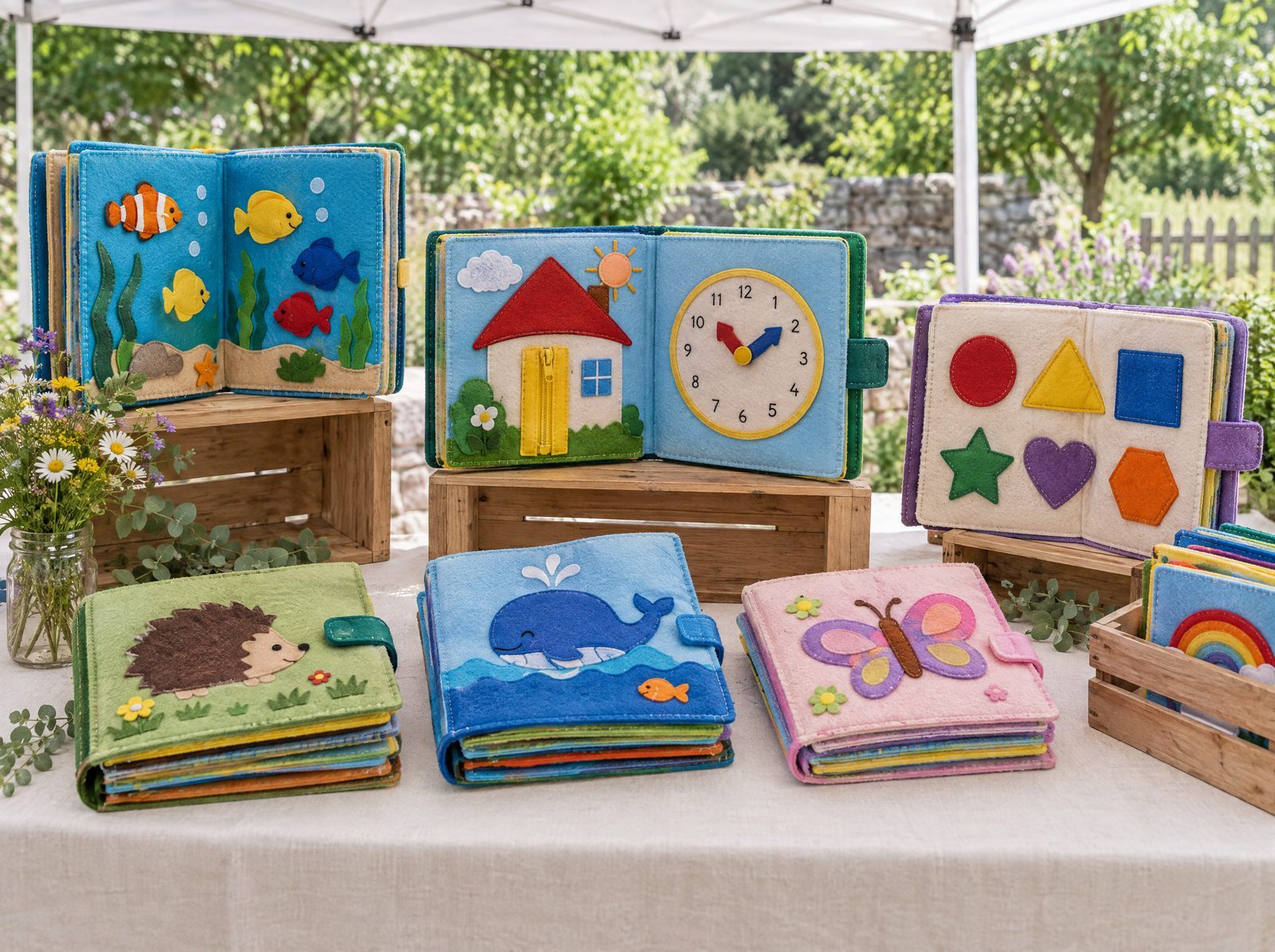
Instant digital download. One-time payment of $37. Printable on US Letter paper.

Make Felt Quiet Books at Home and Sell Them Right

60 original patterns that fit together, a step-by-step build guide, and a seller's playbook with an honest pricing method and the US safety basics.

$37, one time. Patterns, build guide, seller's playbook and a commercial license in one kit, instead of buying pages one at a time and piecing together free tutorials.

Instant access

  • Printable PDF patterns
  • Actual-size templates on US Letter paper
  • Works on any device
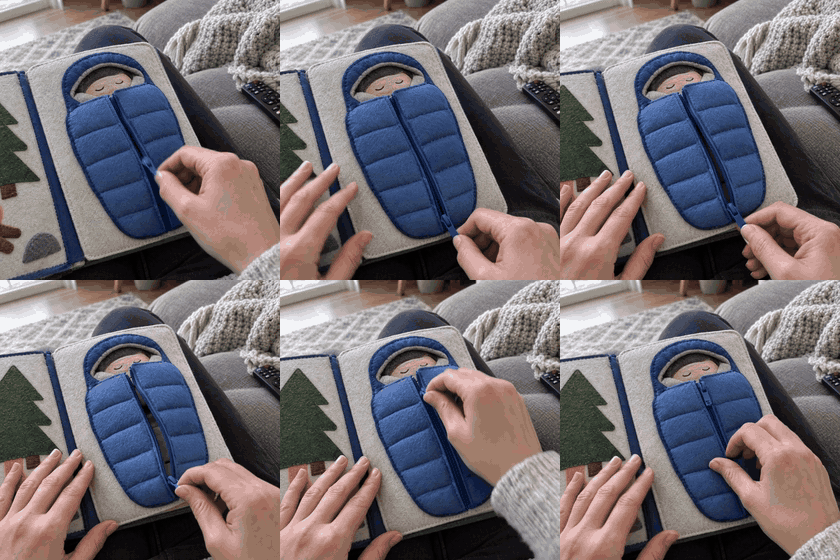
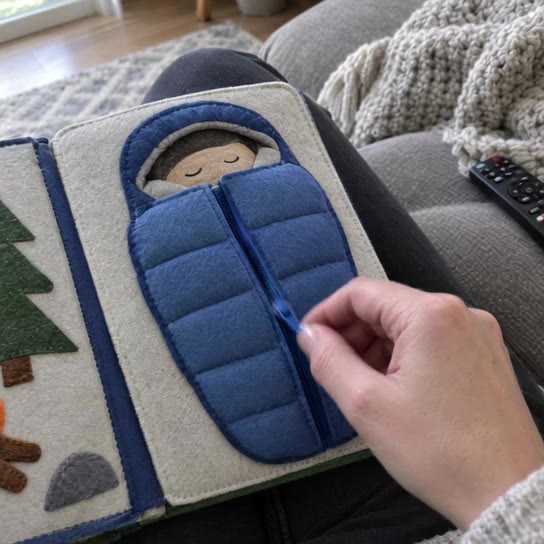
A handmade felt quiet book zipper page
4 PDF files in one ZIP download
Read on any phone, tablet or computer
Print at actual size on US Letter
Patterns, building, selling and safety

Sound familiar?

"I've saved so many quiet book pins, and none of the pages are the same size."

"Every tutorial skips the exact step I'm stuck on."

"I printed a template and the boat came out too small. Now I don't trust any of them."

"I'd love to sell a few, but I have no idea what to charge."

"Are there rules for selling toys I make at home? Nobody explains that part."

"I don't know which pages are fine for my toddler and which ones aren't."

"Honestly, I'm not sure I'm crafty enough."

None of that means you can't do this. It means you've been working from scraps: a pin here, a video there, a template that never says what size it should print. A quiet book is a set of pages that have to fit together, stay safe in small hands and, if you sell them, carry a fair price. That needs one system, not twenty open tabs.

The real cost of winging it

You find a cute ocean page online. You print it, cut the felt, and only then notice the fish is half the size it should be. So you search again. The next pattern is a different page size, so it won't sit next to the first one in a book. The video you follow skips the part where the snap goes in.

Now do the math on your own evenings. If each page takes one evening to hunt down, one to recut, and one to make, a six-page book is eighteen evenings. If even half of that is searching and redoing, you've spent nine evenings on nothing you can hold.

Then comes the price. If you guess low, every book you sell pays you less than the felt and thread it took. If you guess high with no reasons behind the number, you second-guess every listing.

The kit removes the searching and the redoing, so your evenings go into the part you enjoy: making the page.

Why this works when scattered tutorials don't

  1. One system, one page size.

    Every page is 8 x 8 inches and built the same way, in three layers: scenery, middle, then the pieces little hands play with. Pages from different themes sit together in one book.

  2. Templates you can trust.

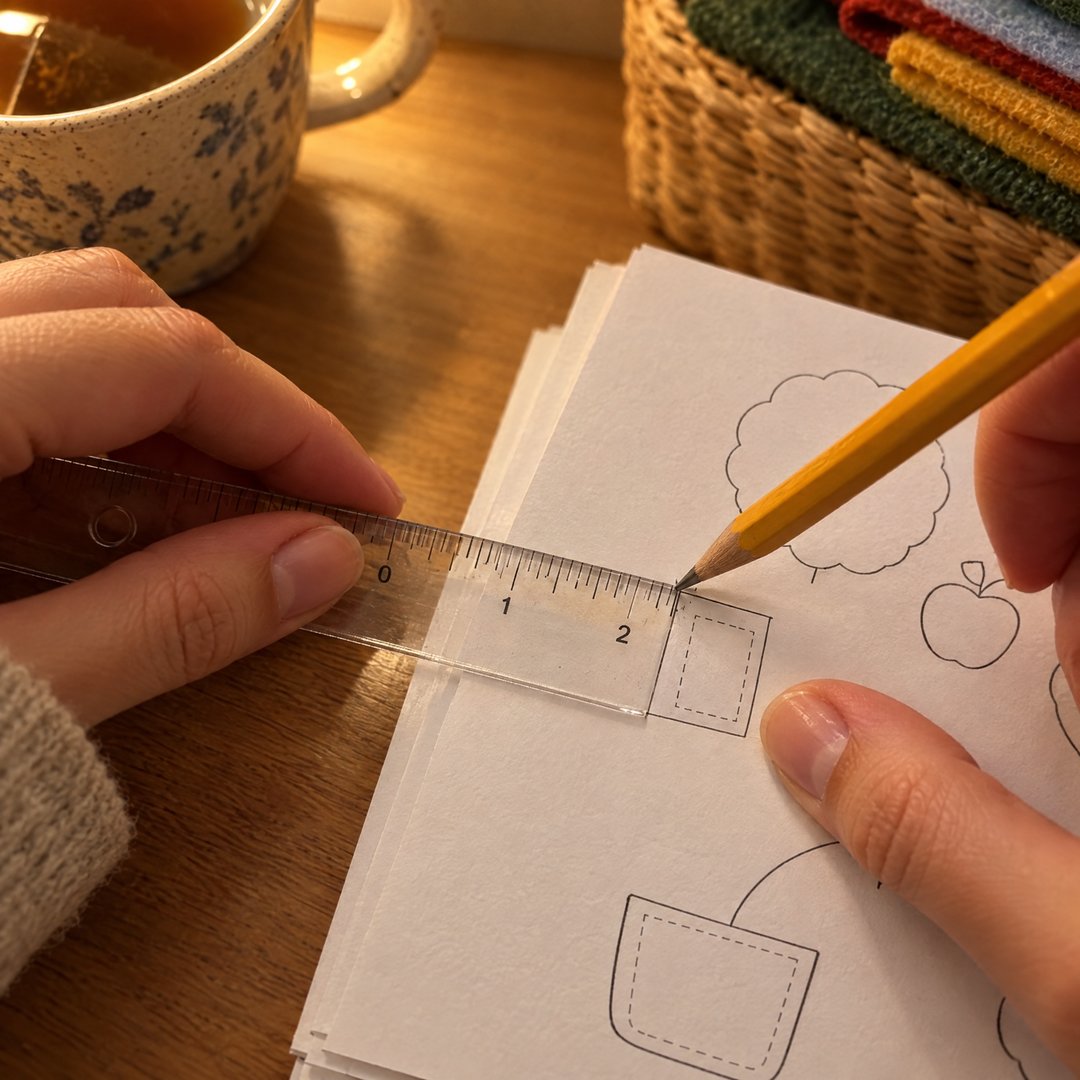
    Every piece is drawn at actual size, and every template sheet has a 1 inch test square, so you know your printer got it right before you cut a single piece of felt.

  3. Every page tells you what to do.

    Each page has an assembly diagram, the felt colors, the extras you need, numbered steps and a play idea. You never have to guess what goes where.

  4. Selling is part of the kit, not an afterthought.

    A pricing method that counts your time, plus photos, listings, selling channels and the US rules for children's products that most tutorials skip. Your commercial license is written in plain language.

A ruler measuring the 1 inch test square on a printed template
Measure the 1 inch test square before you print the rest.

From download to finished page in four steps

  1. Download and open.

    Your four PDF files arrive together in one ZIP file right after checkout. Open the Pattern Library and pick a page. A pocket or flap page is a good first choice.

  2. Print and check.

    Print the template sheets on US Letter paper at 100% or "Actual size," with "Fit to page" turned off. Measure the 1 inch test square before you print the rest.

  3. Cut and build.

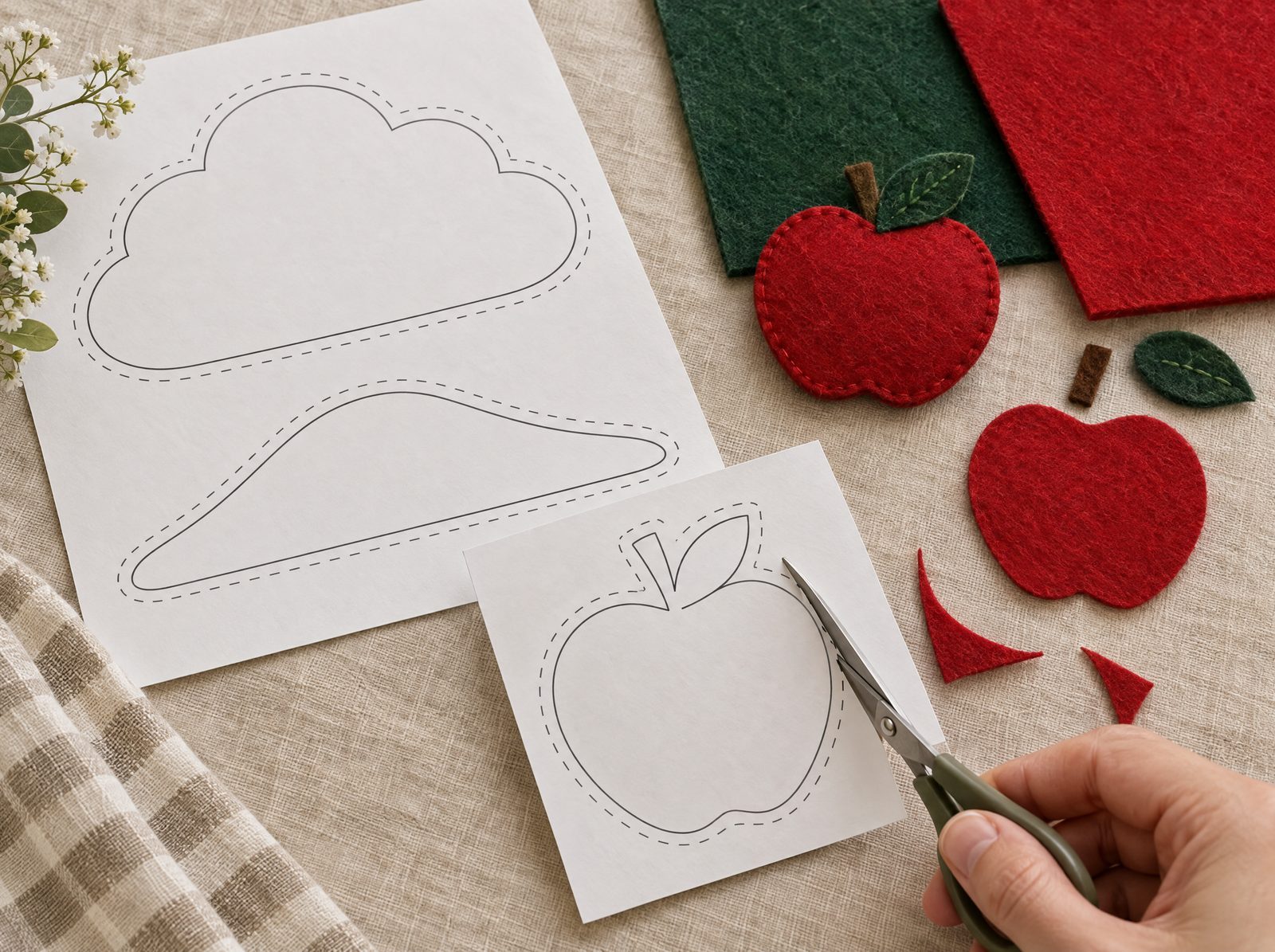
    Cut your felt pieces, then follow the numbered steps and the assembly diagram. Scenery first, then the middle layer, then the pieces little hands play with.

  4. Bind, gift or sell.

    When you have a few pages, choose one of the three binding methods in the Build Guide. If you plan to sell, open the Seller's Playbook and work through the pricing method and the safety checklist.

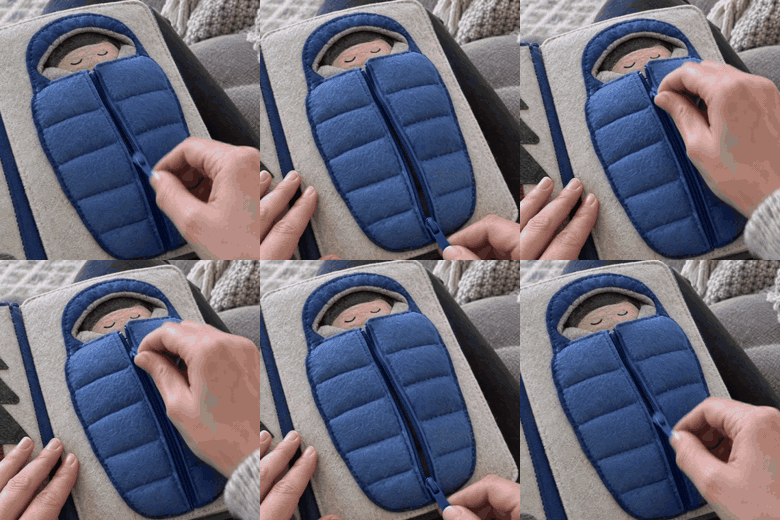
Opening and closing a felt quiet book zipper

What's inside the Complete Kit

Four PDF files that work as one system. Here is what each part gives you.

The Pattern Library: 60 original pages

The Pattern Library: 60 original pages

10 themes with 6 pages each: Farm and Garden, Ocean, Weather and Seasons, Home and Daily Routines, Getting Dressed, Food and Kitchen, Vehicles, Numbers and Counting, Shapes and Colors, Animals and Faces. You get enough variety to build many different books without designing a thing.
15 activity types, 4 pages each

15 activity types, 4 pages each

Buttoning, velcro matching, zippers, snaps, lacing, ribbon tying, pockets and hide-and-seek, lift-the-flap, sliders, sorting by color, matching shapes, counting, dressing a figure, telling time and feelings faces. Mix them so every spread feels different, and so a child always has something new to do with their hands.

An assembly diagram and actual-size templates for every page

An assembly diagram and actual-size templates for every page

Each page shows where every piece goes, which felt colors to use, the extras you need (like "3 buttons, 3/4 inch"), numbered steps and a play idea. Every template sheet carries the 1 inch test square. You always know what to cut and in what order.

The Build Guide

The Build Guide

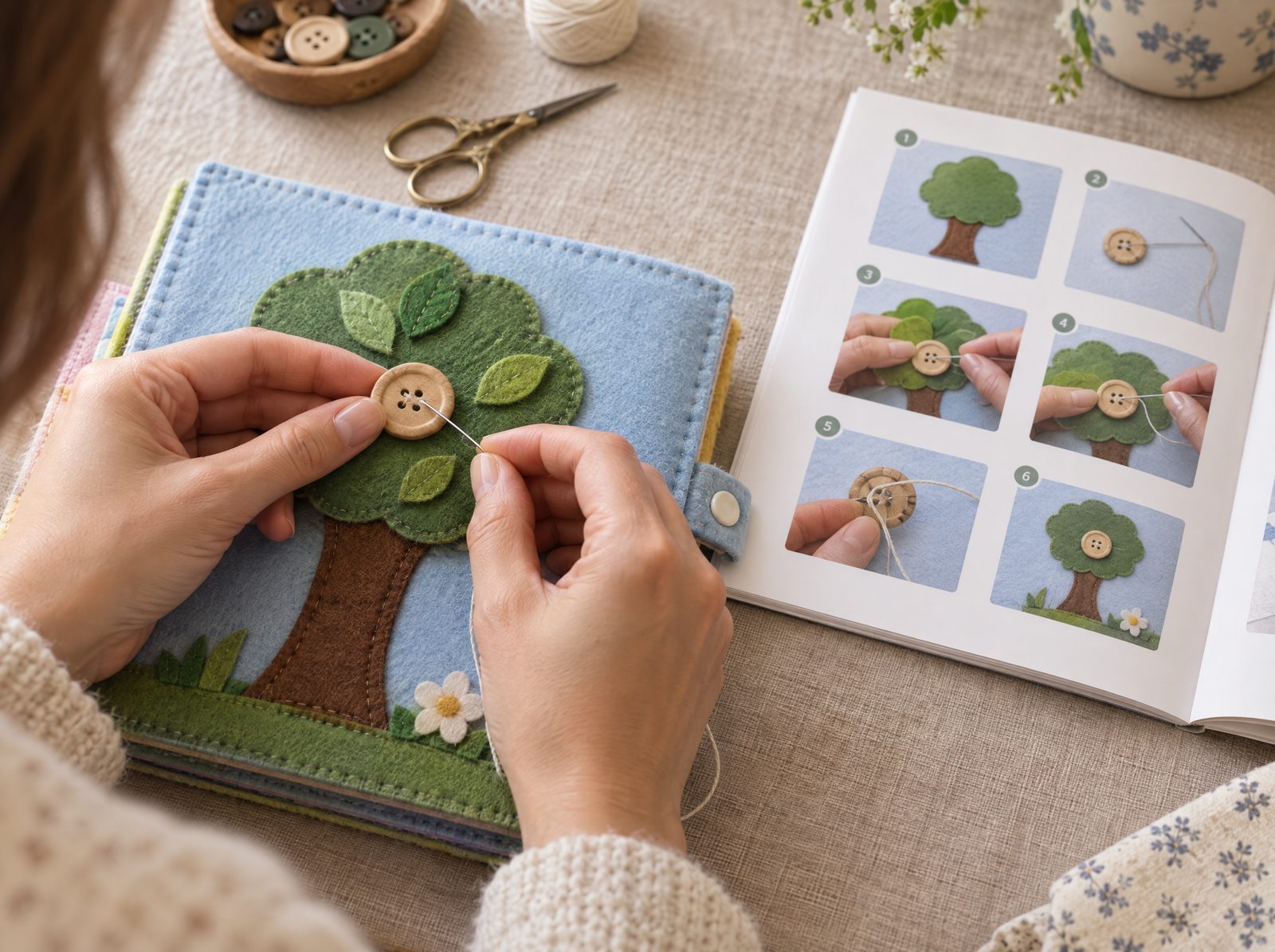
Materials, felt types, clean cutting with freezer paper, how to attach every fastener in the library, page construction, three binding methods, care and cleaning, and troubleshooting. The "Button and buttonhole" section alone walks you through ten steps, from marking the slit to the final tug test, including how to make a thread shank for thick felt.

Child safety built into the patterns

No magnets, loose pieces at least 1.5 inches in every direction, buttons at least 3/4 inch. Pages with buttons, snaps, sliders or long laces are for ages 3 and up, and the Build Guide shows you how to build a simpler book for toddlers.

The Seller's Playbook

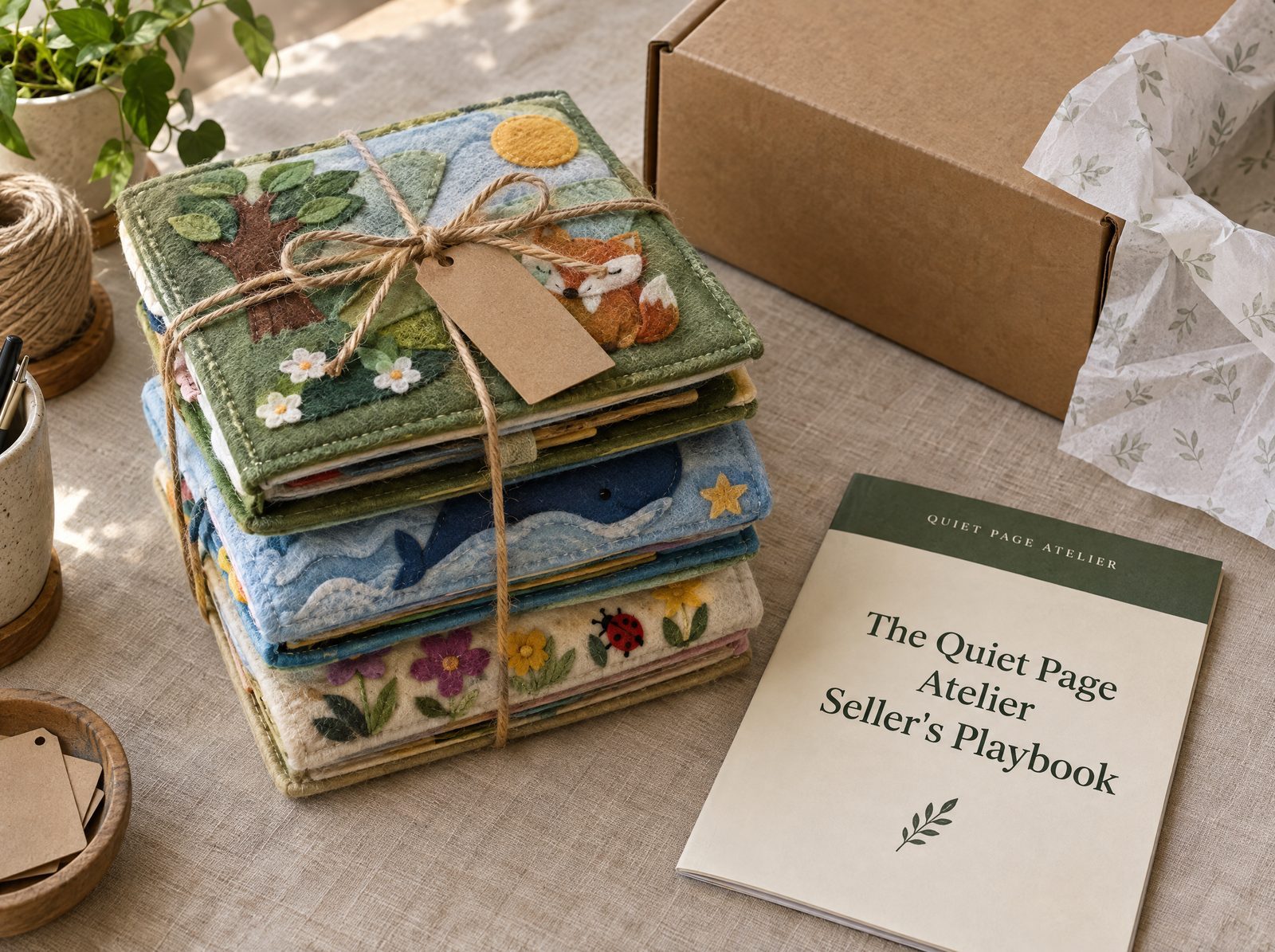
Who buys quiet books, what to make first, a five-part pricing method, product photos, listing templates, selling channels, custom orders, shipping, buyer messages and a 30-day launch plan. "Pricing Your Work" covers the five things every price must cover, with a worked example where every number is clearly labeled as an example.

US safety rules, explained plainly

CPSIA basics, the small parts rule, choking hazard warnings, Children's Product Certificates, tracking labels and the CPSC Small Batch Manufacturer program, with links to the official pages. A safety compliance checklist with twelve checkboxes takes you from choosing the age range to asking the CPSC Small Business Ombudsman about anything you're unsure of.

The Commercial License

Make and sell as many finished, handmade felt items from the patterns as you like, online or in person, with up to 2 helpers. Clear rules, no fine print guessing. It also covers any add-on packs you buy.

A few pages you'll meet early:

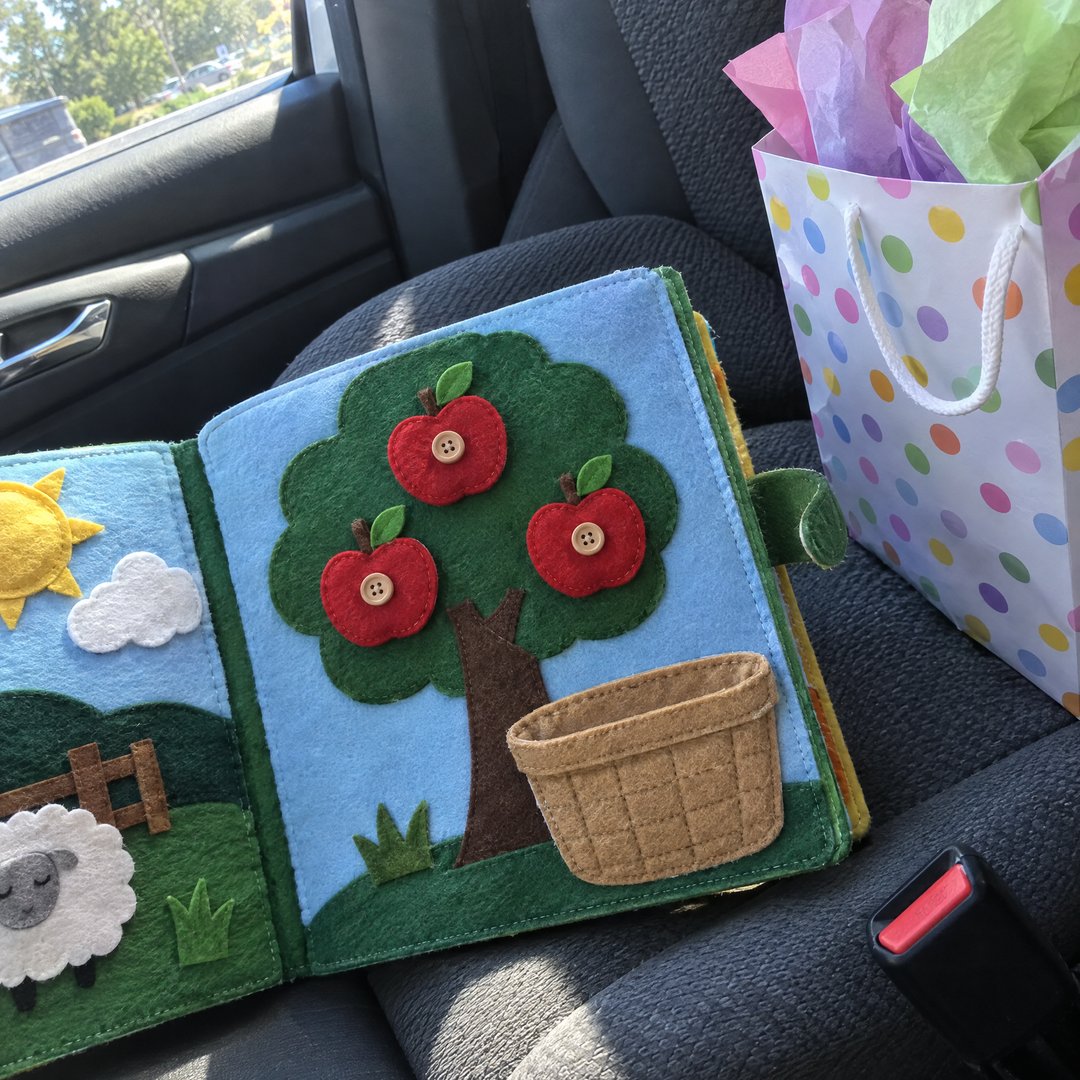
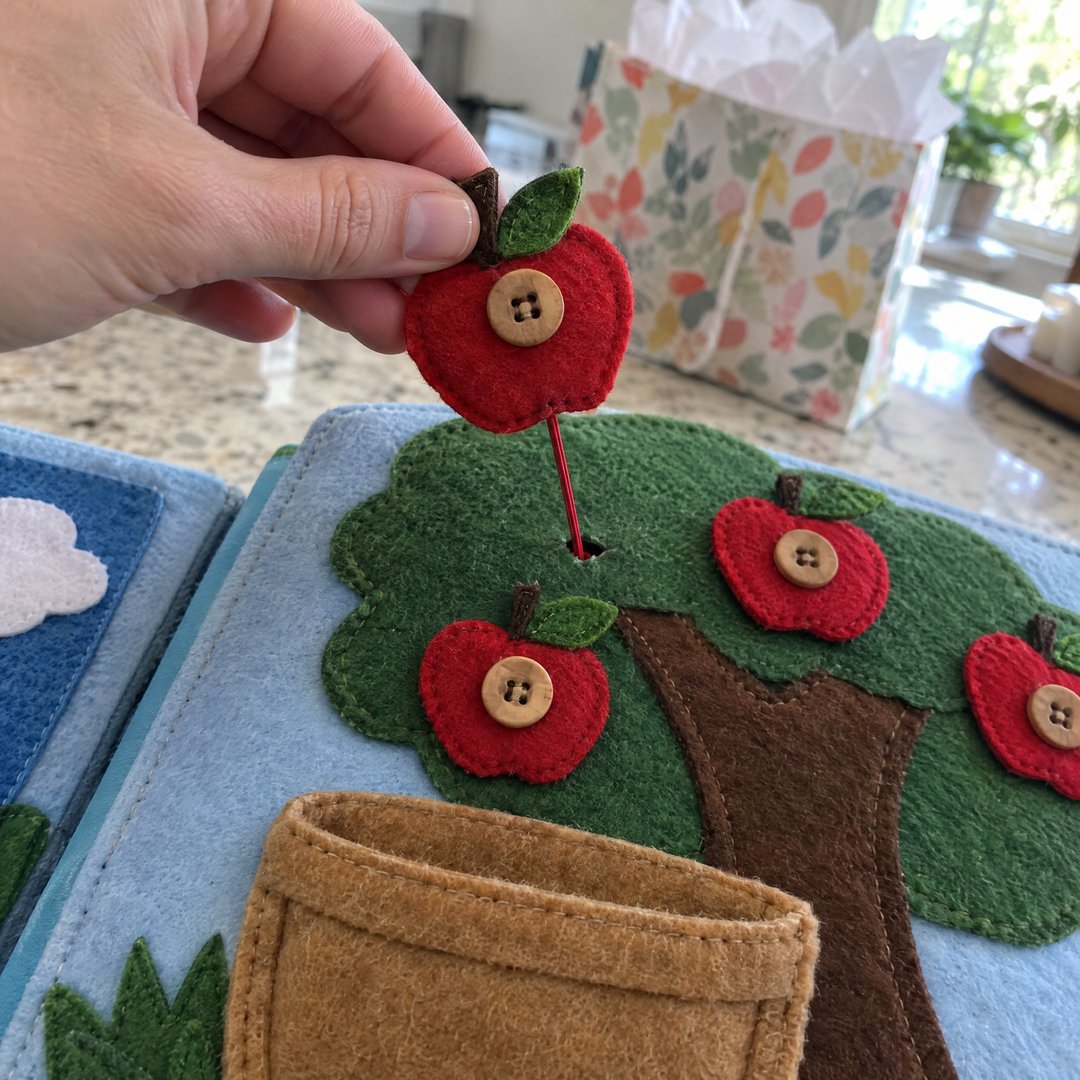
  • QP-001 Apple Picking Buttons: buttoning and counting to 3, with 3 buttons at 3/4 inch, interfacing, five numbered steps and a play idea marked ages 3 and up.
  • QP-007 Treasure Under the Waves: a sea pocket, a sailboat and fish, each labeled with how many to cut and in which color.
  • QP-025 Dress the Little Bear: a velcro dressing page with the bear, a shirt, shorts and two shoes, plus a play idea that names each piece as a child dresses the bear.

A weekend with the kit

Saturday morning, you open the Pattern Library on your laptop and scroll through the themes. You pick QP-007 Treasure Under the Waves because there's a little one in your life who loves boats. You print the template sheets, lay a ruler on the test square, and it reads exactly 1 inch. Good. You print the rest.

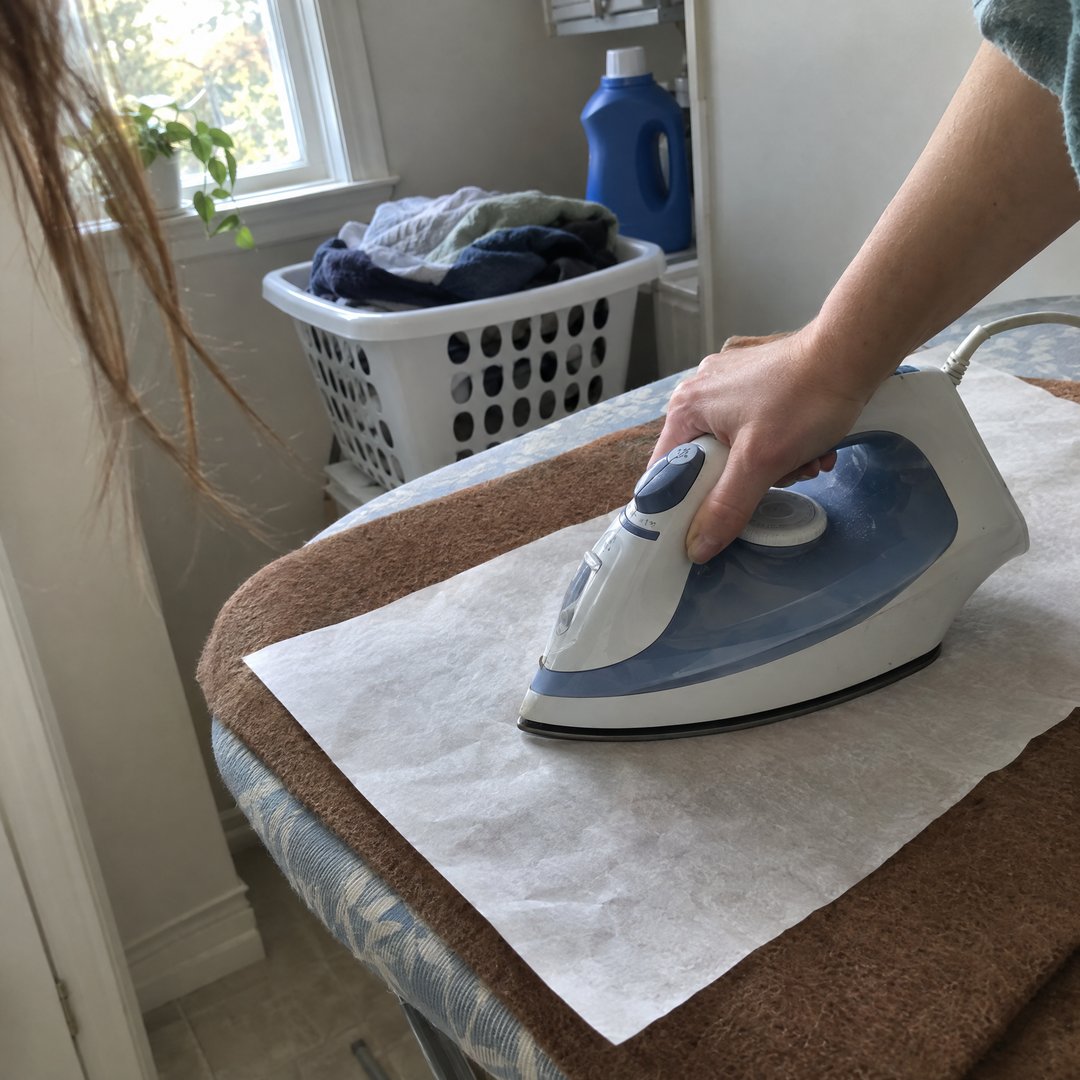
By late morning the templates are cut from cardstock, so they'll last. You check the Build Guide on clean cutting with freezer paper, iron the shapes onto your felt, and cut. The edges come out crisp. The sea pocket, the sailboat and the fish are lying on the table in the colors the page asked for.

Saturday afternoon you follow the numbered steps: scenery first, then the middle layer, then the pieces a child will hold. You stitch the pocket in place by hand, because the Build Guide is clear that anything a child pulls gets stitched, not glued. Once the pieces were cut, the page itself fit into an unhurried afternoon.

Sunday, you pick a second page from a different theme. Because every page is 8 x 8 inches and built in the same three layers, it sits right next to the ocean page. You're already thinking about the cover.

If selling is on your mind, Sunday evening is for the Seller's Playbook. You read "Pricing Your Work," list your felt, thread, extras and time, and see what a fair price looks like for you. Then you open the safety checklist and tick the first box.

Freezer paper templates ironed onto felt
Freezer paper ironed onto felt gives you clean, accurate edges.

This is for you if:

  • You can thread a needle and use small scissors, even if you've never made a quiet book.
  • You want patterns that are already designed and fit together, not another folder of mismatched pins.
  • You'd like to sell what you make on Etsy, at craft fairs or in local Facebook groups, and want to price it properly.
  • You're making a gift for a child or grandchild and want it to look polished and last.
  • You want the safety side explained in plain words before you sell to other families.

This is not for you if:

  • You want a promise of sales. This kit teaches a method, it doesn't predict results.
  • You want pre-cut felt or supplies shipped to you. This is a digital kit of printable PDFs.
  • You plan to share, resell or teach with the pattern files. The license covers finished items only.
  • You want a video course. Everything here is written, illustrated and printable.
  • You need legal advice. The Seller's Playbook is a practical orientation that points you to official sources.

Three ways to make your next quiet book

Starting from scratchFree videos and scattered postsThe Quiet Page Atelier Complete Kit
StructureYou design every page and decide every size yourselfEach source uses its own page size and its own methodOne system: every page is 8 x 8 inches, built in the same three layers
Time to startAfter you've drawn and tested your own templatesAfter you've found a pattern, checked it and worked out the missing stepsAs soon as your download opens and the test square measures 1 inch
Printable templatesYou make themSometimes, and the print size is often unclearActual-size templates with a 1 inch test square on every sheet
Covers fasteners and bindingOnly what you already knowBits and pieces, one video at a timeEvery fastener in the library, three binding methods and troubleshooting
Covers selling and US safety rulesNot unless you research it yourselfRarely, and rarely with official sourcesPricing method, listings, channels, a 30-day launch plan and the US safety basics with official links
Commercial useYours, since you designed itOften unclear or not allowedCommercial License for finished handmade items, in plain language
CostYour timeFree, plus your time searching$37, one-time

Stop hunting for the next pattern

60 pages that fit together, the build guide and the seller's playbook, ready to download in one ZIP file.

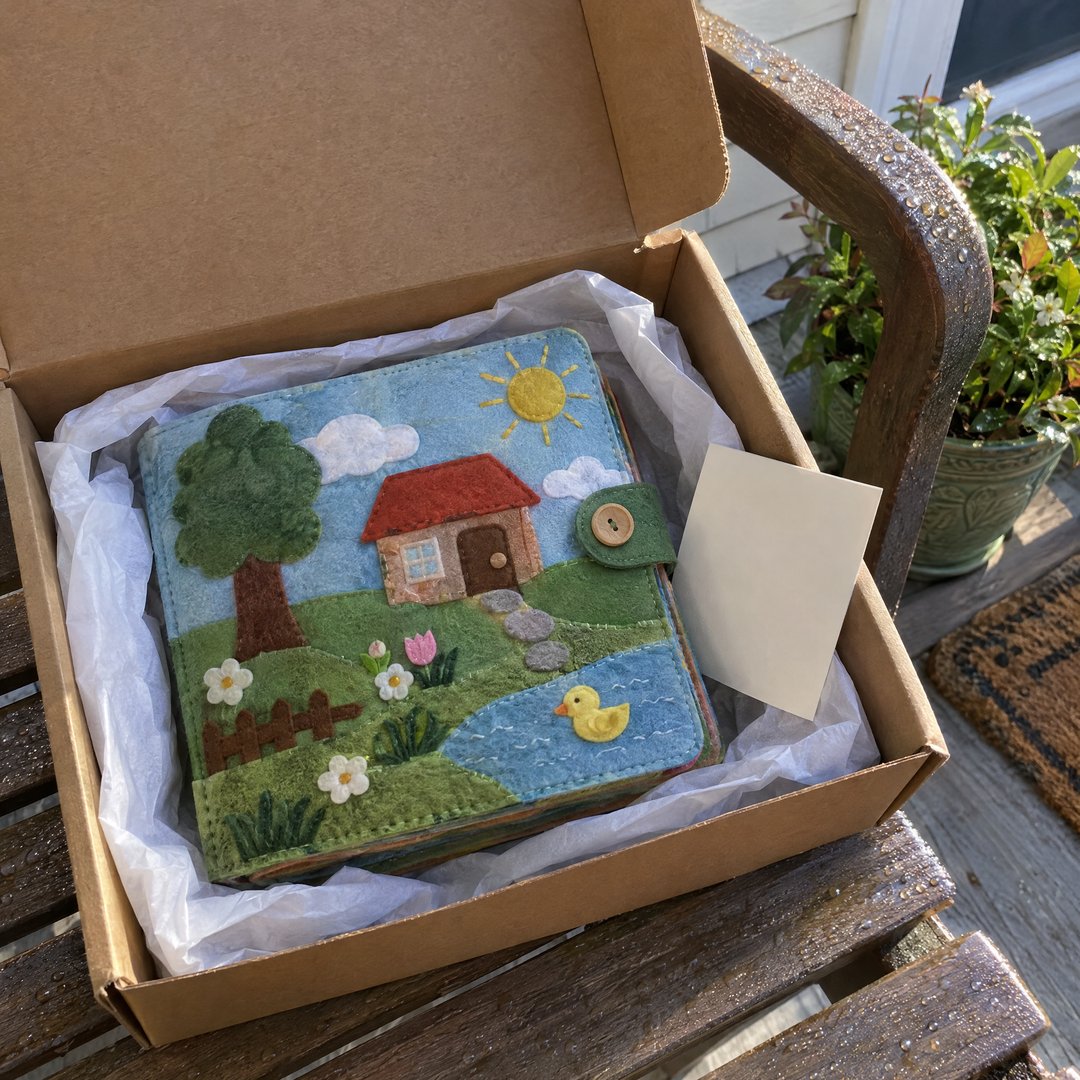
A kraft box with a finished quiet book on a porch

Optional add-ons

The kit is complete on its own. If you want more, these three packs are offered in the next step, after you click the button. Each one is $17, or all three as the Complete Bundle for $22 (save $29).

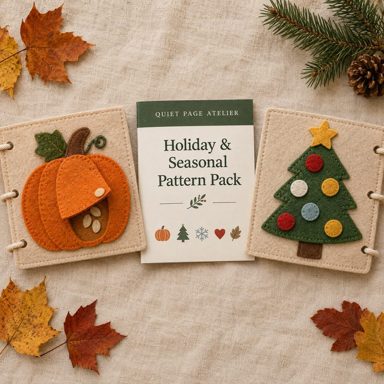
Holiday & Seasonal Pattern Pack

Holiday & Seasonal Pattern Pack

Pages for every big gifting season of the year. 12 original seasonal pages, from New Year to Christmas plus a year-round Birthday page, in the same format as your library, with a calendar for when to make and list.

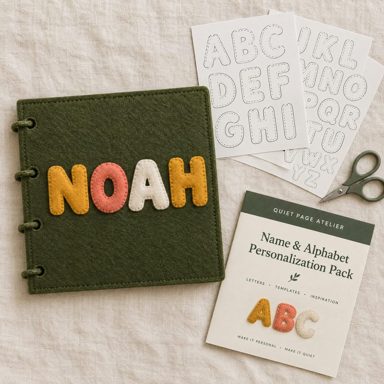
Name & Alphabet Personalization Pack

Name & Alphabet Personalization Pack

Put a child's name on the cover. Actual-size letters A to Z and numbers 0 to 9 in 3.5 inch and 2 inch sizes, plus cover and name puzzle layouts and a personalized order workflow, from spelling check to proof photo.

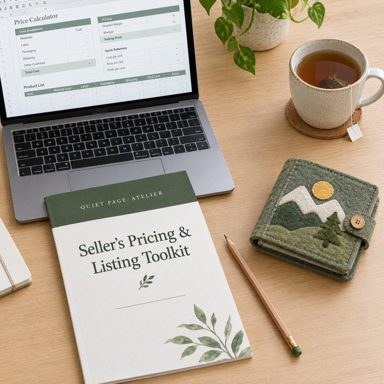
Seller's Pricing & Listing Toolkit

Seller's Pricing & Listing Toolkit

Let the spreadsheet do the pricing math. A pricing calculator for Excel or Google Sheets that turns your materials, time, fees and margin into a price, plus a monthly tracker, 5 listing templates, 30 keyword ideas and 10 buyer message replies.

Added in the next step, or all three as the Complete Bundle for $22 (save $29).

The Quiet Page Atelier Complete Kit

  • The Pattern Library, 60 original pages: 10 themes, 15 activity types, ready to cut.
  • Assembly diagrams and actual-size templates: one diagram per page, a test square on every sheet.
  • The Build Guide: every fastener, binding method and fix in one place.
  • Child safety guidance: safe piece sizes, no magnets, clear ages 3 and up guidance.
  • The Seller's Playbook: pricing, photos, listings, channels and a 30-day launch plan.
  • US safety rules, explained: CPSIA basics, small parts, warnings and labels, with official links.
  • The Commercial License: sell your finished handmade items, in plain language.

Today: $37, one-time

Pay with card, Apple Pay or Google Pay. Secure checkout by Stripe.

14-day money-back guarantee

Open the kit, print a page and make something. If The Quiet Page Atelier Complete Kit isn't right for you, email us within 14 days of purchase and we'll refund you in full. Just write to productadvice.info@gmail.com from your order email, no long form to fill in. The refund goes back to the original payment method you used.

How we made it

  • Written for adult makers. The kit is for the grown-up holding the scissors and the needle: parents, grandparents and crafters who make books for children, or who want to sell them.
  • Designed as one system. Every page shares the same 8 x 8 inch size and the same three layers, so the library works as a whole, not as a pile of separate patterns.
  • Safety first, in the patterns themselves. Piece sizes, button sizes, the no-magnet rule and the ages 3 and up guidance are written into the pages and the Build Guide, not left to a footnote.
  • Official sources for the rules. The US safety section points you to the official CPSC pages for CPSIA basics, small parts, warnings, certificates and tracking labels, so you can always check the current version yourself.
  • Honest numbers. Any number in a worked example is clearly labeled as an example. We don't promise sales or income.
A finished felt quiet book on a car passenger seat

A note on safety

Quiet books are for supervised play, and small parts can be a choking hazard for young children. Pages with buttons, snaps, sliders or long laces are for ages 3 and up. For a child under 3, build a simpler book with large velcro pieces, pockets, flaps and zippers without small pulls, as the Build Guide explains. Use no magnets, keep loose pieces at least 1.5 inches in every direction and buttons at least 3/4 inch, and stitch every fastener and anything a child pulls rather than gluing it. Check finished pages often for loose threads and worn fasteners. If you sell what you make, the Seller's Playbook is an orientation to the US rules, not legal advice, and you are responsible for the compliance of what you sell.

A hand tugging a stitched felt apple button to test it

Questions, answered

A handmade quiet book zipper page in use

Your first page could be on your table tonight

Print a template, check the test square, and start cutting.

$37